Nuosai Semiconductor Supply
Home Company Products Line Card News Contact
Home  /  News
Notes for buyers

News from the sourcing desk.

Short pieces on the parts of component buying that decide whether an order works out — date codes, obsolescence, packaging, moisture and cross-referencing. Written for buyers, not for crawlers.

2026-10-20Insight

What a date code actually tells you

A datasheet says what a part can do. A date code says what happened to it.

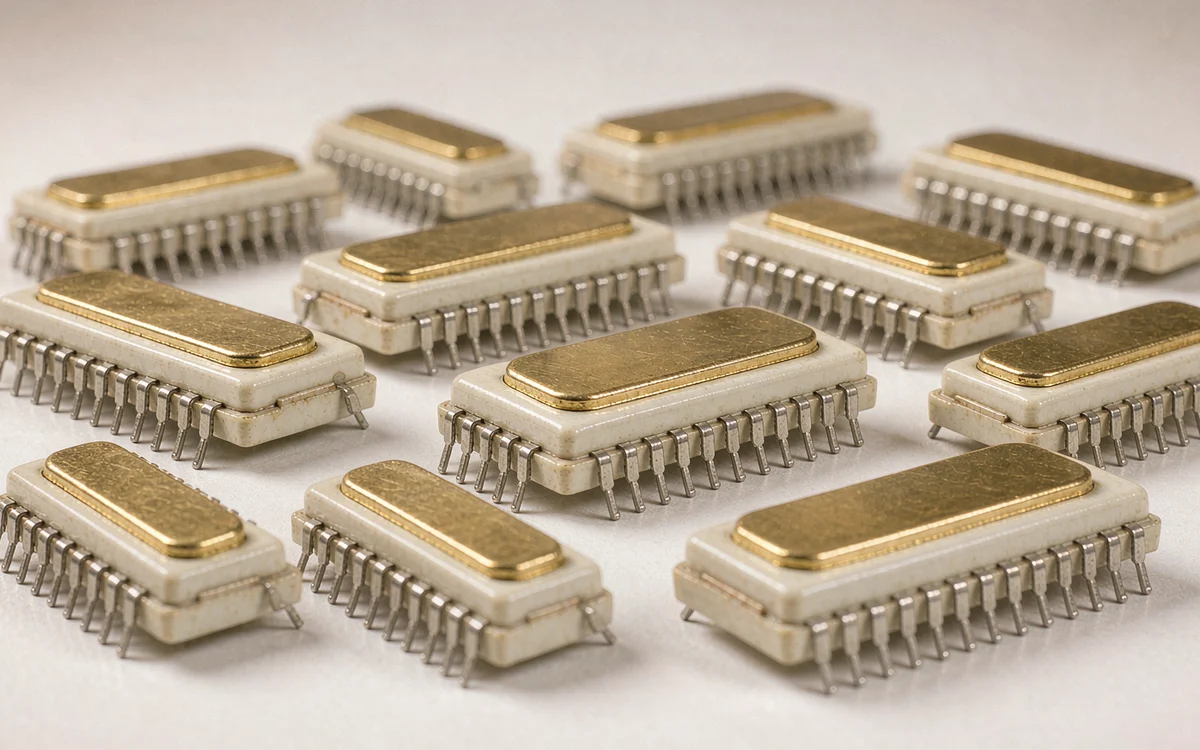
Two parts with identical markings can sit twelve years apart on a shelf — one in a sealed factory reel, the other decanted into a bag and handled a hundred times. Electrically both may pass a bench test; only one is safe to put into a production run. This is why we quote date codes line by line rather than offering a general stock assurance.
2026-10-14Insight

An obsolete part number is a question, not a dead end

Allocation, last-time-buy and drop-in equivalents solve most of these — but only if the substitution is checked properly.

A part marked EOL is not automatically unavailable. Factory stock moves between distributors for years after production stops. What matters is whether the remaining stock is genuine, consistent in date code, and whether a pin-compatible alternative exists. We mark what is genuinely available and say plainly what is not.

2026-10-07Insight

Packaging changes the price more than the part does

Cut tape, full reel, tray or tube — the same device costs differently depending on how it arrives.

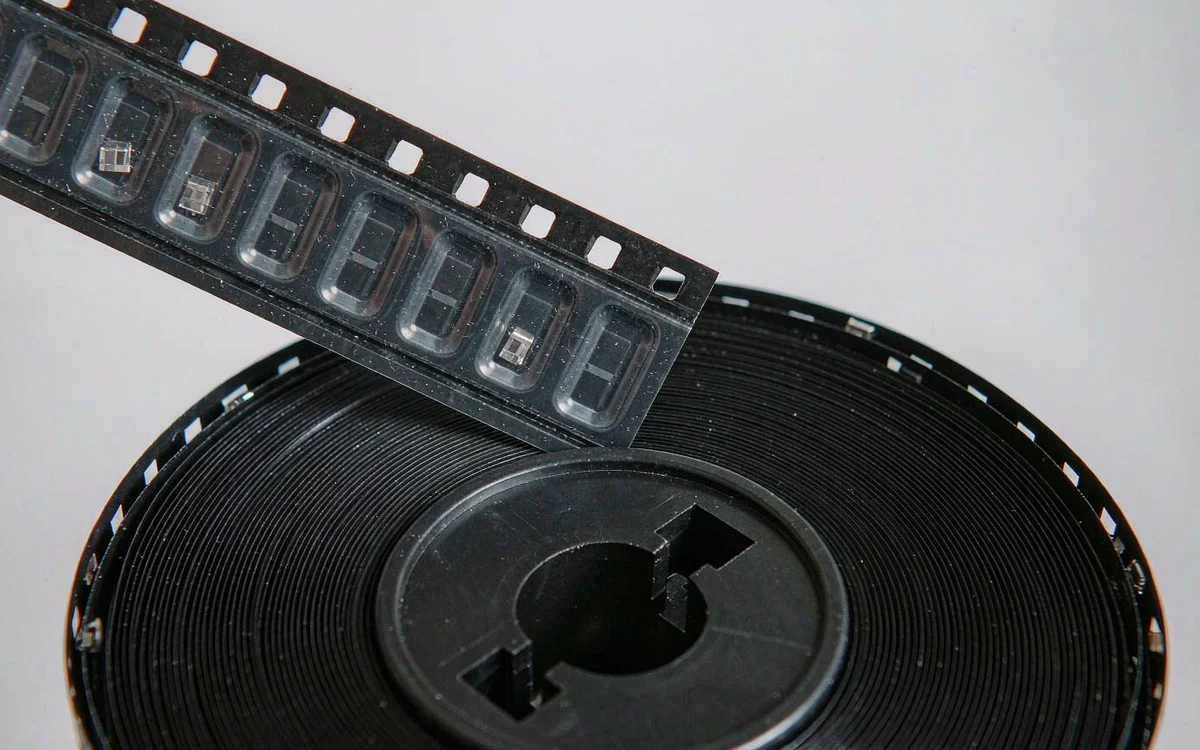
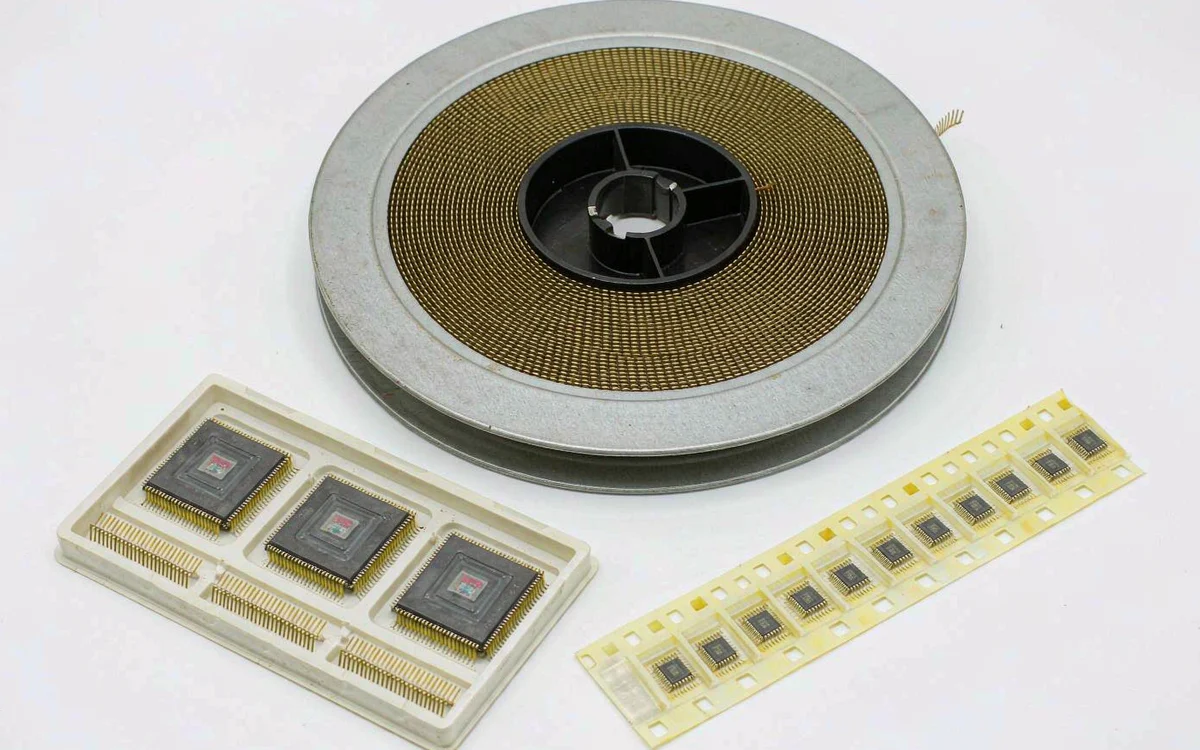
A full reel carries no handling cost; cut tape means someone counts, cuts and repacks, and that labour shows up in the quote. Trays are cheaper per unit but require the buyer to handle moisture sensitivity. When a quote looks high or low against another, packaging is usually the reason.

2026-09-30Insight

What a visual check can and cannot catch

Blacktopping, re-marking and sanded packages are visible. Die-level substitution is not.

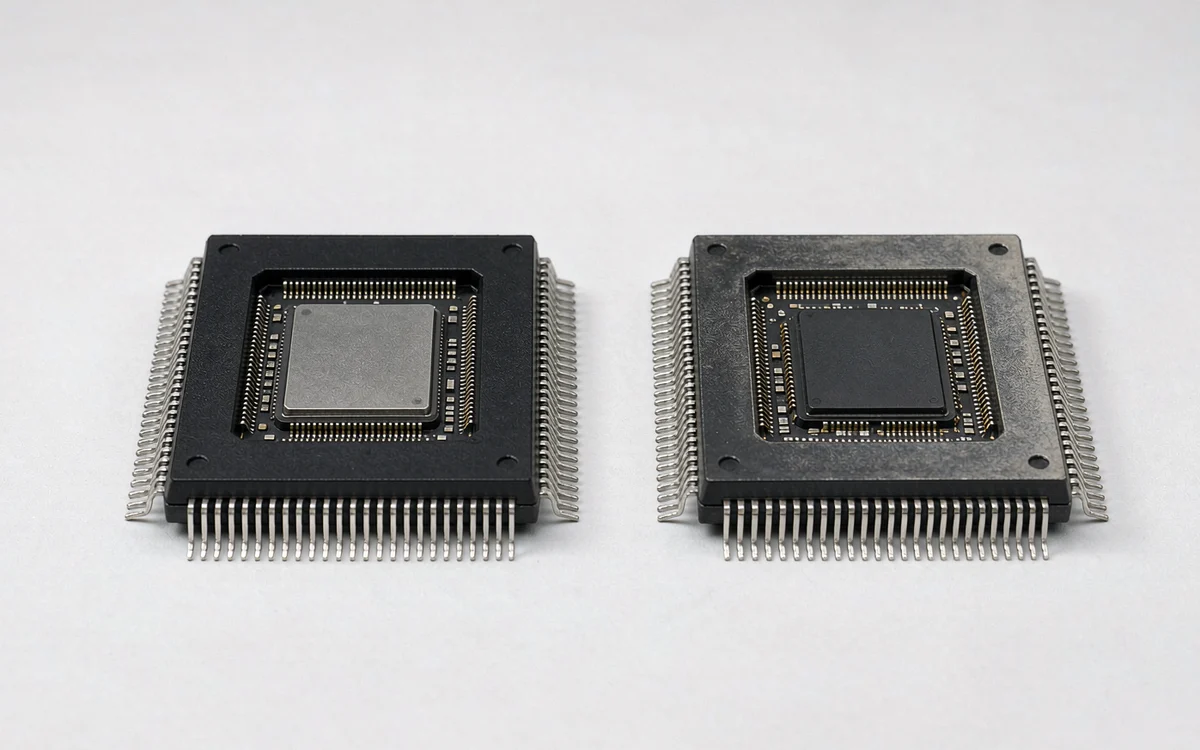
A microscope and a solvent wipe will catch most re-marked parts — the original laser etch reappears under the new ink. What no visual inspection catches is a different die inside a genuine package. That requires X-ray, decapsulation or electrical characterisation, which is why provenance matters more than appearance.

2026-09-23Insight

MOQ is a starting point, not a wall

The 5,000 figure on a line is the factory reel size, not the smallest order we will take.

Reels are built to a standard count because that is what the placement machines expect. Below that the part has to be cut and repacked, which is entirely possible — it simply is not what the price list assumes. Ask for the quantity you actually need and the quote will reflect it.

2026-09-16Insight

Moisture sensitivity: why the bag matters

An MSL rating is a handling instruction. Break it and the part may crack in reflow, months later.

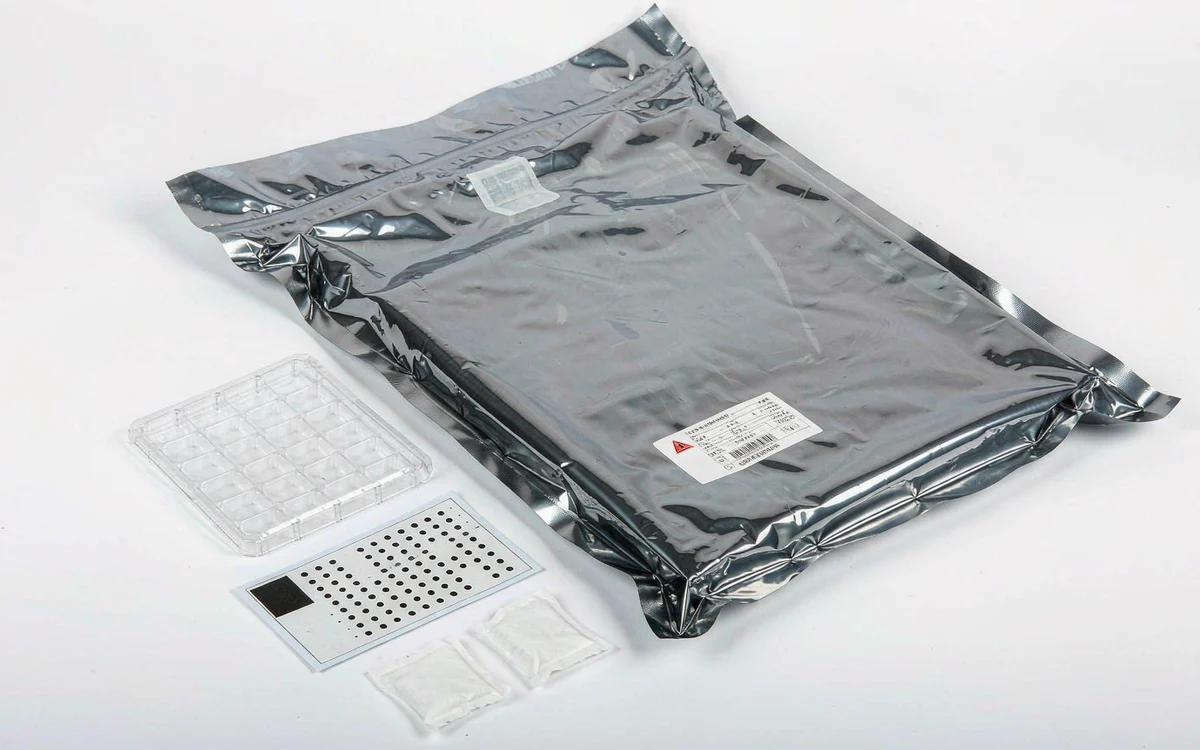
Parts above MSL 1 absorb moisture from the air. If they go into reflow without a proper bake, that moisture turns to steam and splits the package — often invisibly, and often after the board has shipped. Sealed bags with a humidity indicator are not packaging decoration; they are part of the specification.

2026-09-08Insight

When a second source is safe

A cross-reference is a starting point for verification, not a substitute for it.

Two parts can share a footprint and differ in timing, temperature grade or drive strength. A cross-reference sheet tells you the candidate; only the datasheets tell you whether it will work in your circuit. We flag candidates and leave the decision where it belongs — with your engineer.

2026-08-31Insight

Why we quote per line instead of listing prices

A catalogue price would be wrong more often than it was right.

The number depends on quantity, date code, packaging and what is actually on the shelf that week. Publishing a single figure would mean repricing it constantly or quietly quoting something else. A line-by-line quote takes longer to produce and is the only version that holds when the order is placed.